Introduction
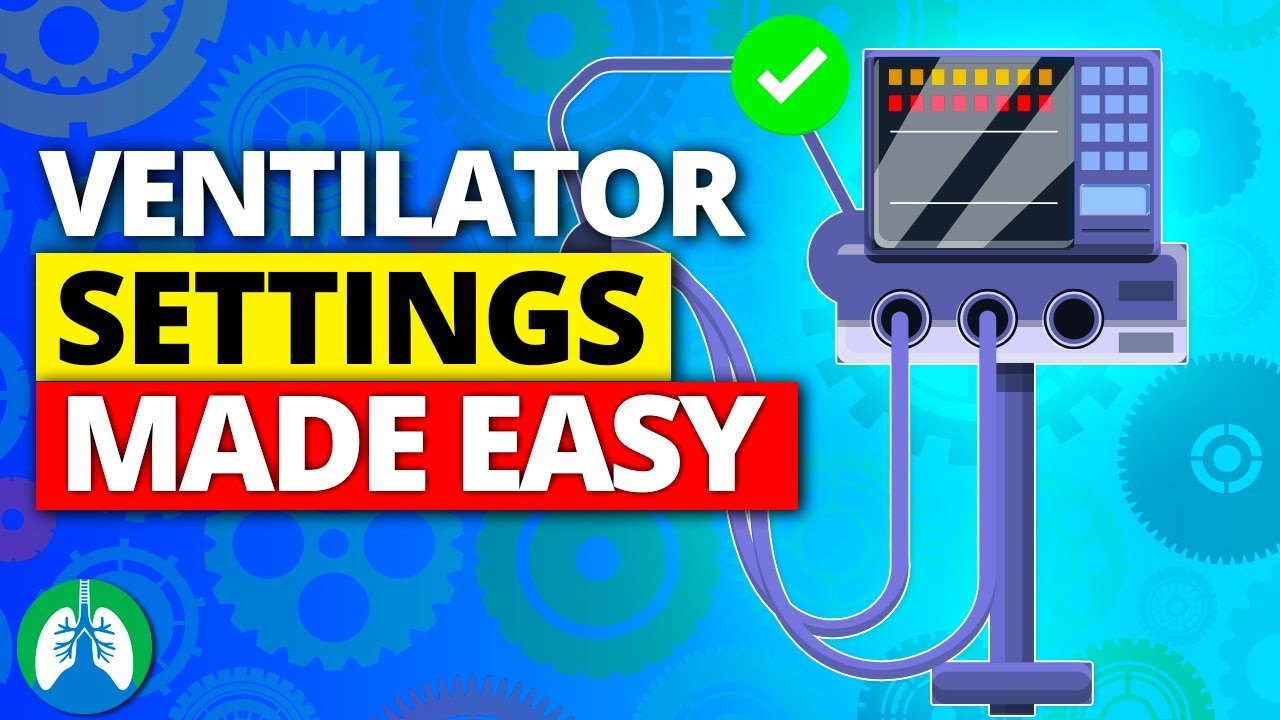
Ventilators have actually ended up being a crucial part in healthcare, specifically in important treatment setups. With breakthroughs in clinical innovation and the climbing frequency of respiratory conditions, recognizing exactly how to operate a ventilator is critical for medical care experts. This short article, "Mastering the Essentials: Your Overview to Basic Ventilator Courses," intends to provide a detailed overview on basic ventilator training courses, incorporating everything from fundamental principles to specialized training for particular client populations.
What Is a Basic Ventilator Course?
A basic ventilator course is designed to introduce healthcare providers to the concepts of mechanical ventilation. These training courses generally cover subjects such as:

- The physiology of respiration Types of ventilators Modes of ventilation Patient evaluation and monitoring
Understanding these principles is important for anyone involved in person treatment, particularly registered nurses and respiratory therapists.
Why Are Ventilation Training Training Courses Important?
Ventilation training programs use countless advantages:
Improved Individual Results: Knowledgeable professionals can make educated choices concerning client care. Enhanced Skills: Training increases confidence and proficiency in running ventilators. Safety Protocols: Understanding safety measures guarantees far better risk management.Components of Fundamental Ventilator Training
Physiology of Respiration
Before diving into technical information, it's necessary to understand the fundamentals of how the breathing system features.
Anatomy of the Breathing System
The breathing system comprises various structures that work together to assist in breathing:
- Nasal cavity Pharynx Larynx Trachea Bronchi Lungs
Understanding these components aids clear up exactly how ventilators help or change natural breathing.

Types of Mechanical Ventilators
There are numerous types of mechanical ventilators available:
Volume-Controlled Ventilators: Supply a collection quantity with each breath. Pressure-Controlled Ventilators: Restriction pressure throughout inspiration. Bi-level Favorable Air passage Stress (BiPAP): Used for people needing different pressures for inhalation and exhalation.Each type serves distinctive objectives depending upon patient needs.
Modes of Mechanical Ventilation
Invasive vs. Non-Invasive Modes
Mechanical ventilation can be classified right into invasive and non-invasive modes:
1. Invasive Settings:
- Require intubation. Offer more control over ventilation parameters.
2. Non-Invasive Settings:
- Utilize masks or nasal prongs. Less invasive yet might not appropriate for all patients.
Common Settings Explained
Some usual settings consist of:
Assist-Control (AIR CONDITIONER): Provides support with every breath. Synchronized Periodic Compulsory Ventilation (SIMV): Enables spontaneous breaths in between required ones. Continuous Positive Respiratory tract Stress (CPAP): Maintains respiratory tract stress without assisting with every breath.Understanding these settings allows practitioners to select the correct method based upon private person needs.
Ventilator Training for Registered nurses: A Specialized Approach
Nurses play a critical function in taking care of mechanically aerated clients, making specialized training crucial.
Key Abilities Covered in Registered Nurse Training Programs
Nurse-focused ventilator training frequently consists of:
- Patient assessment and monitoring techniques Identification of issues Adjusting ventilator settings based on clinical judgment
Training gears up nurses with important abilities for effective respiratory tract and air flow monitoring while guaranteeing optimal person outcomes.
Tracheostomy and Ventilator Training: Specialized Focus
Patients requiring lasting air flow might require a tracheostomy, bring about special challenges.
Understanding Tracheostomy Care
Care factors to consider include:
- Maintaining tube patency Regular cleaning procedures Monitoring for indicators of infection
Proper training in tracheostomy care boosts safety and efficiency when managing ventilated patients.
Airway Management and Air flow Techniques
Effective air passage management is fundamental for effective ventilation strategies.
Key Elements of Airway Management
Essential elements include:
Patient placing Use of adjunct gadgets (e.g., oropharyngeal airways) Continuous monitoringThese elements guarantee that air movement continues to be unhampered throughout treatment.
NDIS Ventilation Training Course: Tailored Education for Specific Needs
For those functioning under the National Disability Insurance Scheme (NDIS), specialized training accommodates unique requirements associated with handicap support.
What Does NDIS Ventilation Training Cover?
This training course commonly focuses on practical abilities like:
- Customized treatment plans Emergency feedback procedures Individualized ventilatory strategies
Such customized education prepares individuals to give efficient support within a disability context.
How Do I Pick the Right Course?
When picking a fundamental ventilator course, take into consideration variables such as program content, instructor certifications, and useful parts used as part of the curriculum.
Factors To Consider
|Variable|Significance|| ------------------------------|------------------------------------------|| Training course Content|Have to cover both theoretical & & sensible skills|| Trainer Qualifications|Search for seasoned experts|| Practical Parts|Hands-on experience is critical|
Choosing intelligently can considerably influence your discovering experience!
Frequently Asked Questions (Frequently asked questions)
1. What Is Mechanical Ventilation?
Mechanical air flow describes using devices-- ventilators-- to help or replace spontaneous breathing in clients who can not take a breath appropriately on their own because of numerous reasons such as trauma, surgical procedure, or respiratory system disease.
2. Who Must Take a Standard Ventilator Course?
Healthcare experts involved in straight client treatment-- particularly registered nurses, breathing therapists, and emergency -responders-- must think about taking a standard ventilator program to boost their abilities in respiratory tract administration and air flow support techniques.
3. For how long Does It Take To Total a Standard Ventilator Course?
The period differs commonly depending on the program framework yet usually varies from someday approximately numerous weeks if it consists of comprehensive hands-on practice alongside theoretical studies.
4. What Are Some Typical Issues Associated with Mechanical Ventilation?
Complications can consist of barotrauma, pneumothorax, infections such as pneumonia pertaining to intubation, and obstacles connected with long term sedation or immobilization from prolonged use mechanical air flow equipment.
5. Is Online Training Available For Standard Ventilator Courses?
Yes! Numerous Get more info organizations currently supply on-line programs that integrate video clip lectures with virtual simulations so students can understand fundamental concepts at their very own rate while still getting high quality instruction from skilled instructors remotely!
6. Just how Do I Keep Current With Advances In Mechanical Ventilation Technology?
Engaging routinely with expert companies devoted to breathing treatment-- such as participating in workshops/conferences-- and subscribing journals focused on critical care medication will certainly assist you stay abreast brand-new growths within this ever-evolving field!
Conclusion
Mastering mechanical air flow requires commitment and education however is important for boosting ndis ventilation training course individual results within healthcare settings today! As laid out throughout this overview--"Grasping the Fundamentals: Your Guide To Fundamental Ventilator Courses"-- the value can not be overstated; thorough knowledge acquired with relevant programs encourages experts throughout self-controls! Whether you're exploring broader ventilation training programs or specialized approaches like NDIS choices-- the possibility exists available waiting just around every edge! Dive deeper into this essential element today-- for both personal growth AND enhanced professional method overall!